Svensk version: RatN 2026
| Race | RatN 2026, Amerongen, the Netherlands |
| Date | 2–7 May 2026 |
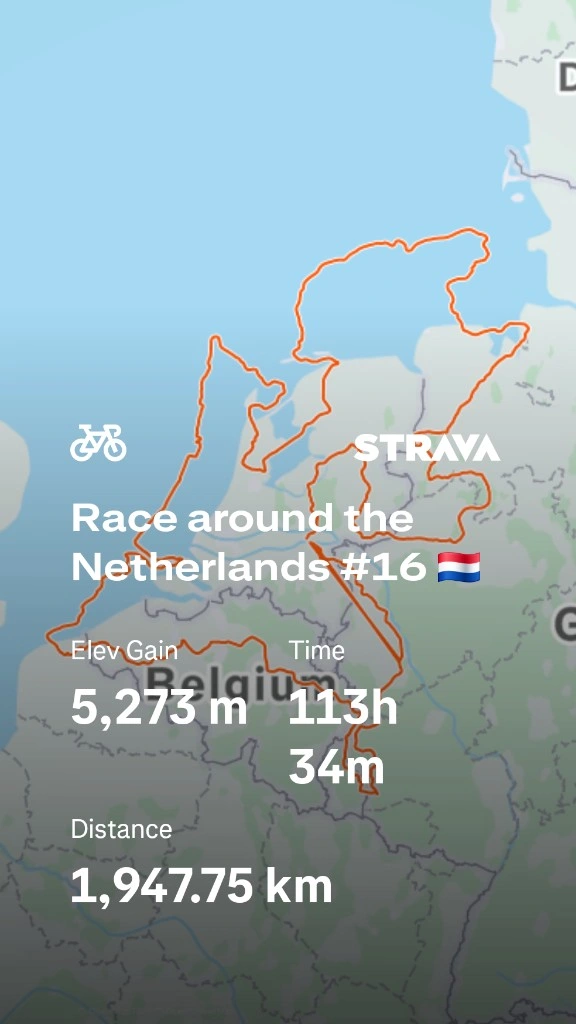
| Distance | 1,951 km / 5,273 hm |
| Format | Unsupported |
| Bike | Open U.P. 2023 |
| Result | 16 of 127 (35% DNF) |
| Total time | 112:47 (moving 81:33) |
| Overall avg | 17.3 km/h |
| Moving avg | 23.9 km/h |
| Rest % | 28 % |
| NP | 132 W |
TL;DR
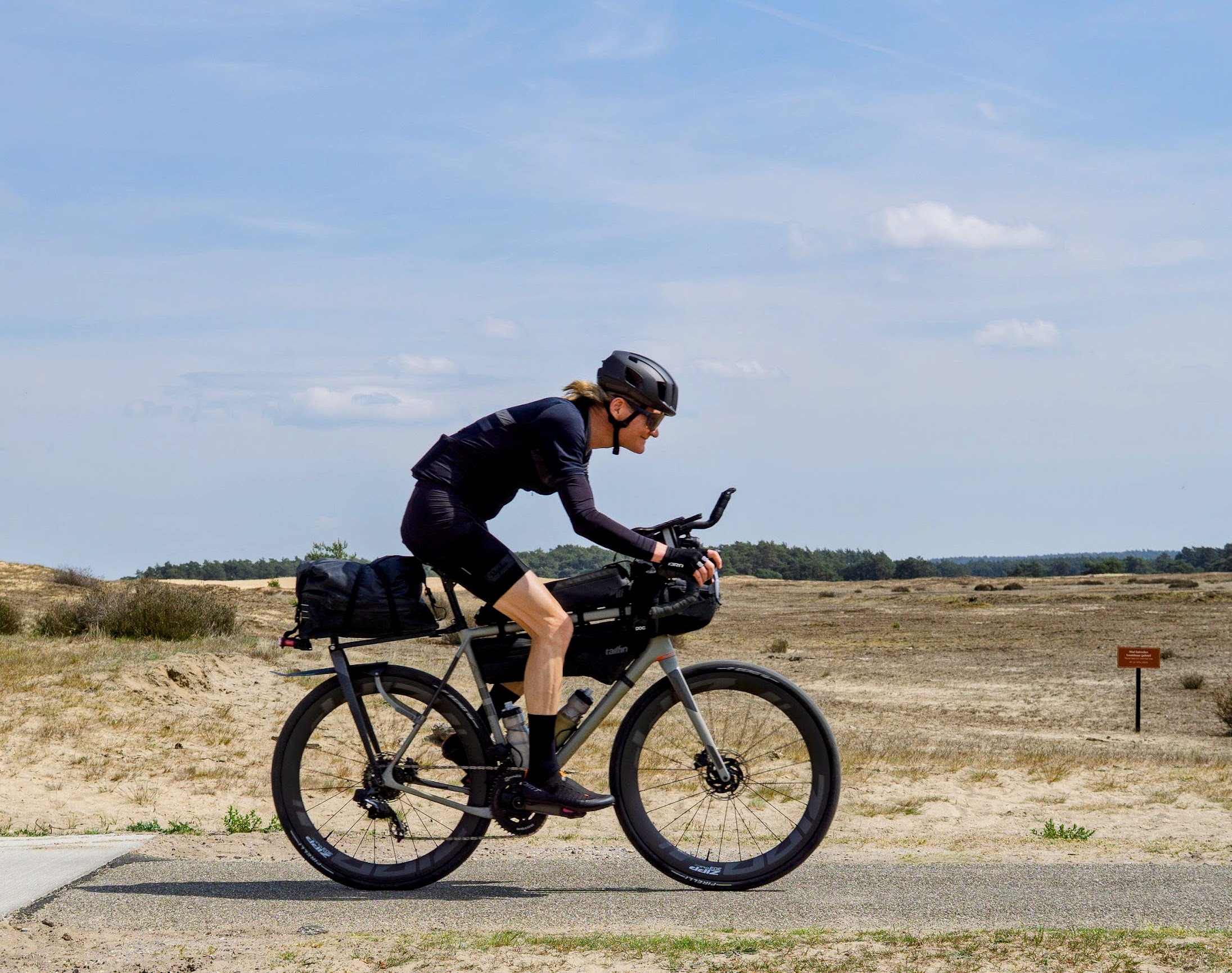 My comeback after RAP 2023 and a three-year racing hiatus turned into 16th place out of 127 starters at RatN (1,951 km / 5,273 m climbing, total time under 113 hours). The route is mostly lovely cycle infrastructure (apart from generous helpings of sheep shit) with a lot of navigating. The weather flipped quickly from summery to cold and wet. The biggest time sinks were electronics trouble with misbehaving phones and bike computers. A shortage of training and fitness cost me the sub-110-hour plan, but my expectations going in were realistic. The organiser, Adventure Bike Racing, lived up to its name thanks to a wonderful route through a fantastic country — it turned into a proper adventure. I have to get back to Amerongen and De Proloog in 2028!
Prologue
 Due to significant so-called work-life challenges, I haven’t raced since I completed the toughest event of my life, Race Around Poland (3,600 km / 33,000 m climbing) in 2023. During the process leading up to my current role I mentioned my hobby of ultracycling — including that I had DNS’ed both RatN and B-Hard because of work — to another executive interviewing me, who said RatN was something I absolutely had to do. Said and done. That said, finding time for training and planning hasn’t been easy.
Rolling Average / Power
 This was my big planning miss. I had counted on a rolling average of 25 km/h, but it landed at 24 km/h. You can blame a relatively slow course with twisty cycle infrastructure, varying surfaces and a lot of rain — but the numbers speak for themselves: I went into the race a long way from my peak years of 2019–2023, when I could hold 150+ NP under similar conditions, and the power meter measured 12% below that. In other words, the sub-110-hour plan would have been comfortably met if those 3 h 15 min had been shaved off the finish time.
A clear lesson in not overestimating your actual ability — and extra painful because my amazing wife, instead of waiting with race director Michael at the square outside De Proloog past midnight, would otherwise have been there in the evening sun at nine o’clock and I could have had a real meal instead of a Jumbo ready-meal in the hotel room.
The Body
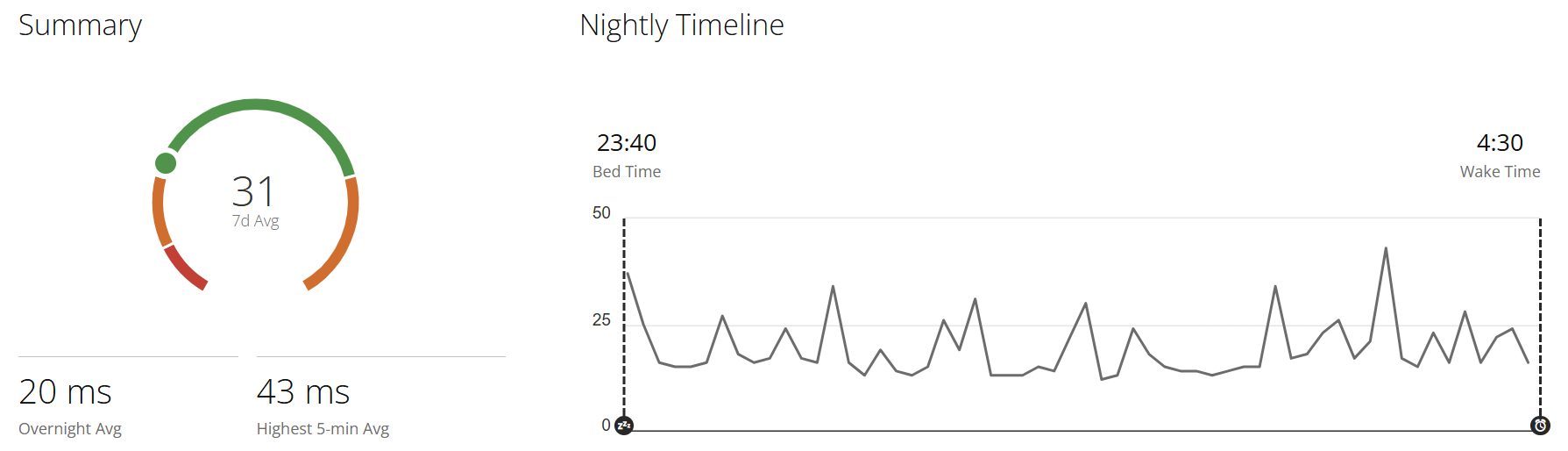 Went into the race mid-way through a Voltaren course for a sore knee and an inguinal hernia that’s getting worse by the day. Combined with roughly half my usual training volume compared to my glory years, I was, to put it mildly, nervous. Sure enough I had aches and pains for the first 150 km, both in the knee and in the lower back. Then it was as if the body remembered how to ride ultra-distance and everything got much better. I did wake up with sore knees and legs after the first sleep stop, two days in. Felt inflammatory, with very low HRV. As expected, but tough to get going again.
Many people get aches and pains even after shorter events like PBP’s 1,200 km, whereas my comfort-optimised bike and reasonably long overnight recovery usually let me fare better than most — especially when I’m riding in touring sandals rather than stone-hard carbon soles like this time. After a couple of days the race starts to take its toll: my neck began to ache and the feet did the same at times. Once home it took a couple of weeks before my toes felt fully okay again, but no major issues. I also discovered a larger saddle sore once I was home, but nothing that bothered me significantly during the race. Otherwise I’m still using Crotch Guard instead of traditional chamois cream.
The Route
 One of the route’s great strengths — mostly cycle infrastructure — is of course also an enemy when it comes to speed, with varying surfaces, from the smoothest asphalt to cobblestones and a bit of everything in between. Add in many bike paths that suddenly switch from one side of the road to the other = double 90° turns, and a lot to keep track of navigation-wise. For comparison: a comparative analysis of RatN vs. Sverigetempot (both ~2,000 km) gives roughly 51 turns ≥60° per 100 km for RatN versus 10 per 100 km for Sverigetempot — more than five times as many. I even toppled over at a traffic-light-and-rail crossing with a lot of people around and an unclear navigation situation, since I didn’t manage to unclip in time. Could have cost me the race, but ended up mostly wounded pride, a few holes in a leg warmer and a couple of bigger grazes.
The official route from the organiser on Komoot
The Race
Most ultracycling races (there’s no exact definition, but let’s draw the line at 1,200 km) tend to have a significant DNF rate — i.e. participants who don’t make it to the finish. This year’s edition of RatN was hard, and more than one in three didn’t make it back to the finish in Amerongen — many of those who did needed a very long time to get there. So this year’s edition has to be considered tough, but still a long way from RAD (Race Around Denmark), which I have completed six times — also with a couple of podium finishes — and which this year, the week after RatN in even worse weather, saw nearly two out of three in the 1,600 km Unsupported field forced to scratch. Come prepared!
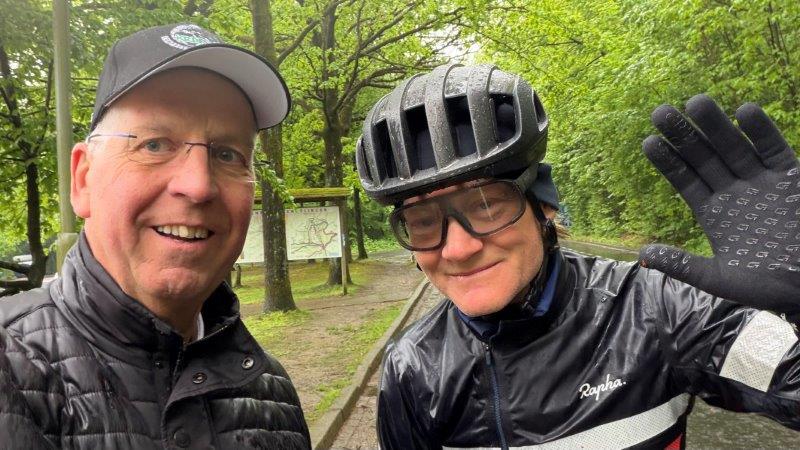
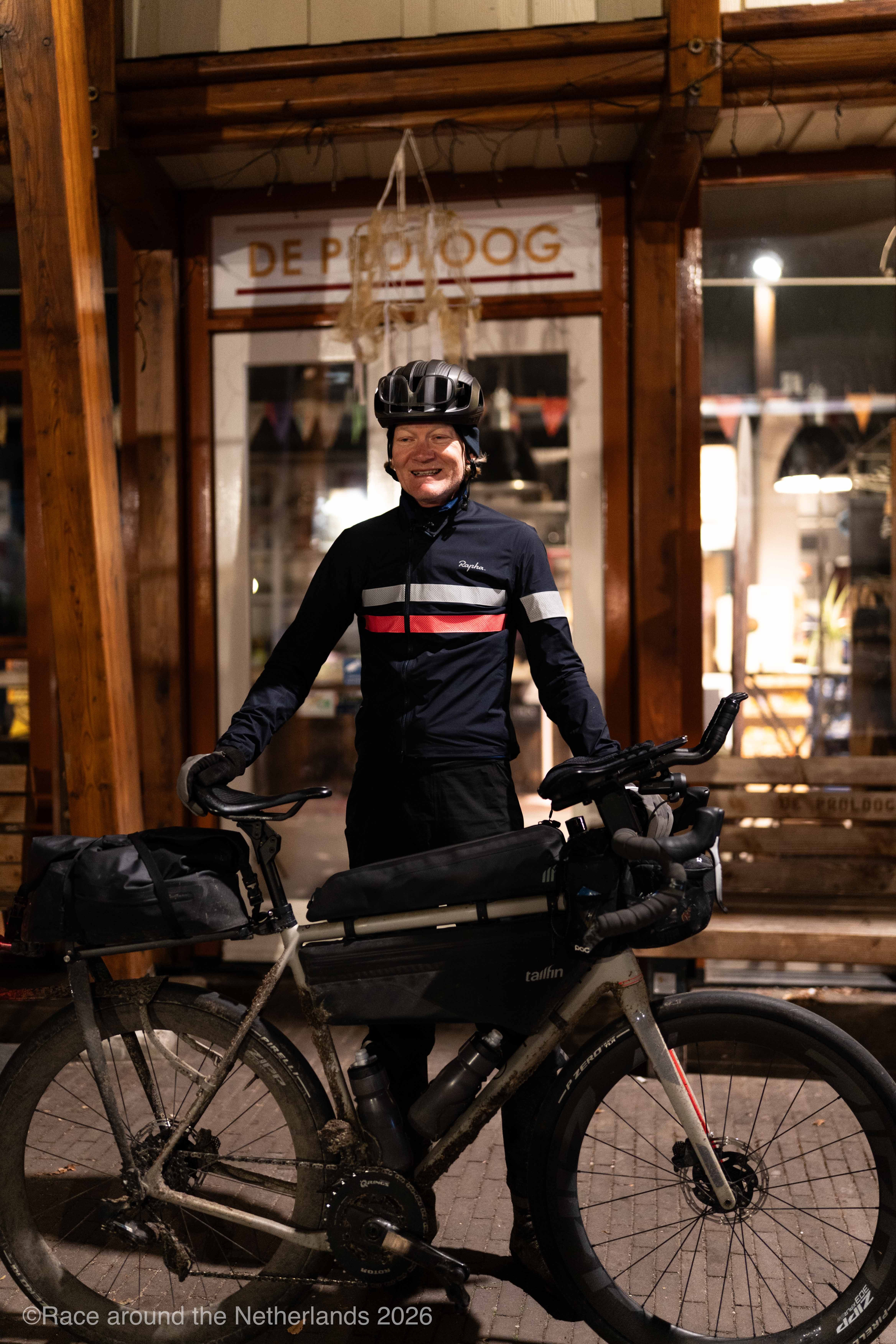
Lovely atmosphere around De Proloog before and after the race. Nothing but smiles and shouts along the course, including my favourite “nice rig man!” and a participant who heaped praise on my bike and its setup once we got out of the Hoge Veluwe national park. Plenty of dotwatchers on course cheering, taking photos and filming. My little brother even sent a business contact out into the pouring rain to take a photo and exchange a few words in Limburg. “Hi, little brother” photo below. Super fun, and exactly what makes ultracycling races so much more rewarding than grinding out brevets in anonymity.
Water
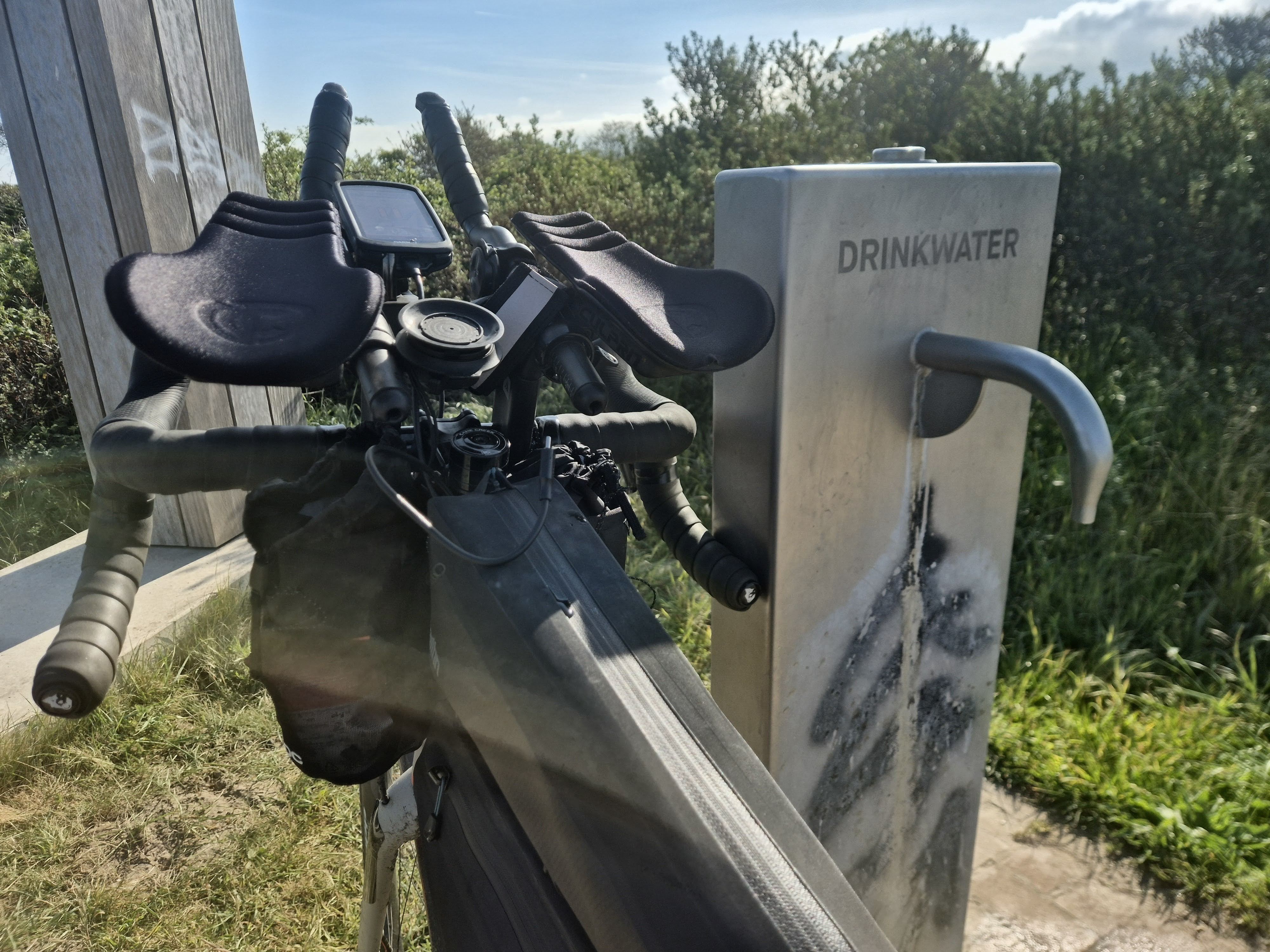 I had been warned by a friend and previous participant, as well as in the race book, that the route had long stretches with limited access to water refills, so I was a little extra worried — especially since my new frame bag doesn’t allow 950 ml bottles underneath it like my previous one, so I settled for 2 x 720 ml Podium. I brought a 500 ml Camelbak softflask too, but never used it. I saw quite a few riders running four bottles, and that’s maybe a smart strategy both in terms of risk and time optimisation, but I never had any water issues.
Lodging
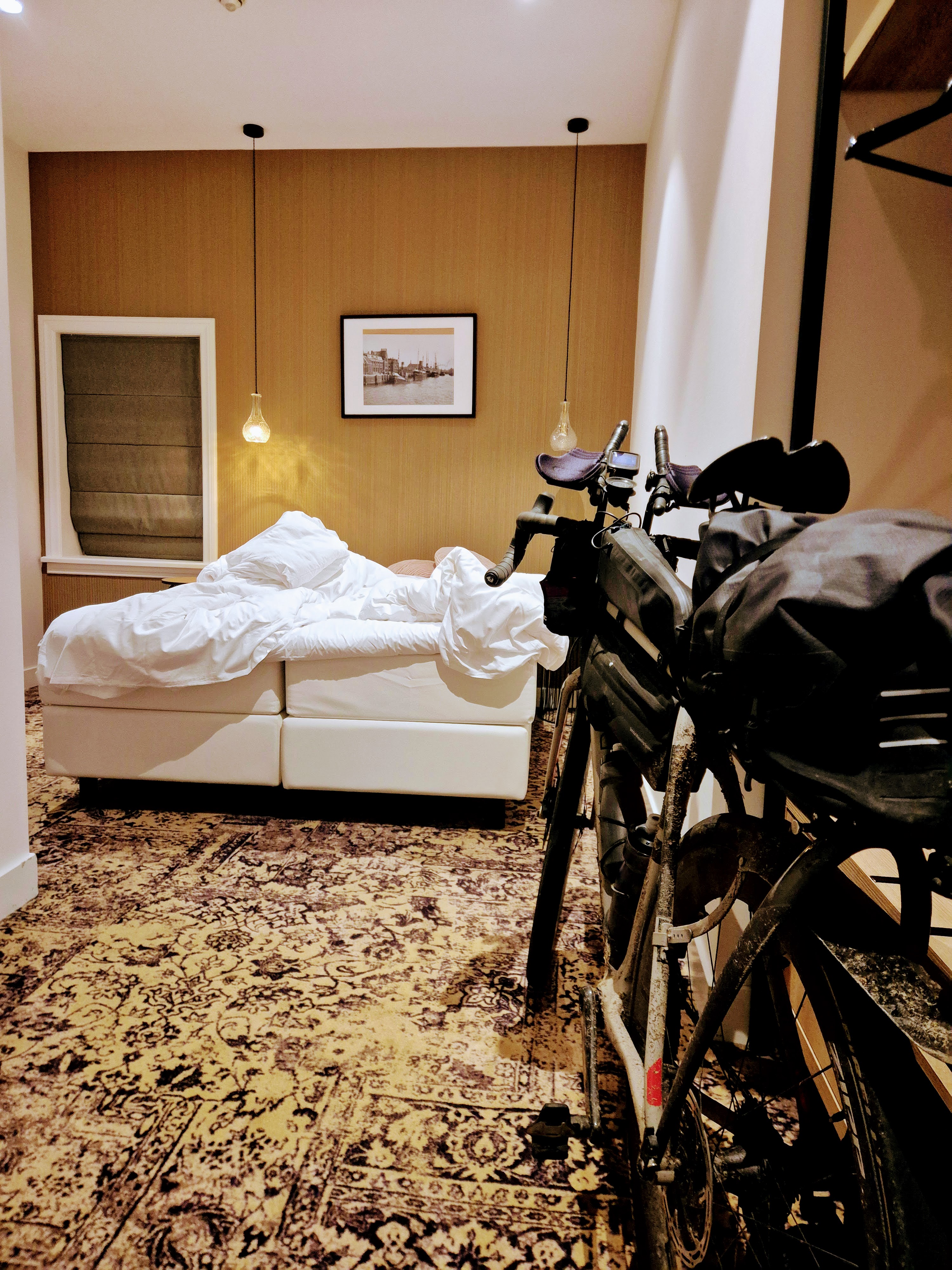
The first night’s B&B was smooth apart from check-in, which had to happen in person rather than via a key box — which made the last 30 km in stiff headwinds along the coast pretty tough. Otherwise it was easy, with a shared kitchen since the bottles needed cleaning thanks to all the sheep shit. The second night’s nice hotel served up a very unpleasant surprise. I had assumed Dutch bike-friendliness extended to the hotels too, but this one was very bike-unfriendly. After lengthy negotiations I was eventually allowed to downgrade my room and bring the bike inside. It’s not just that the bike is a suitcase on two wheels with a lot to charge and sort out, hygiene articles, etc. — getting a bike out of a storage room or similar in the middle of the night before departure can be more or less tricky and time-consuming. The third night I was an hour late, and apart from waiting ten minutes for the night porter who wasn’t at the hotel and an €18 late check-in fee, there were no problems at all with the bike or anything else.
Sleep
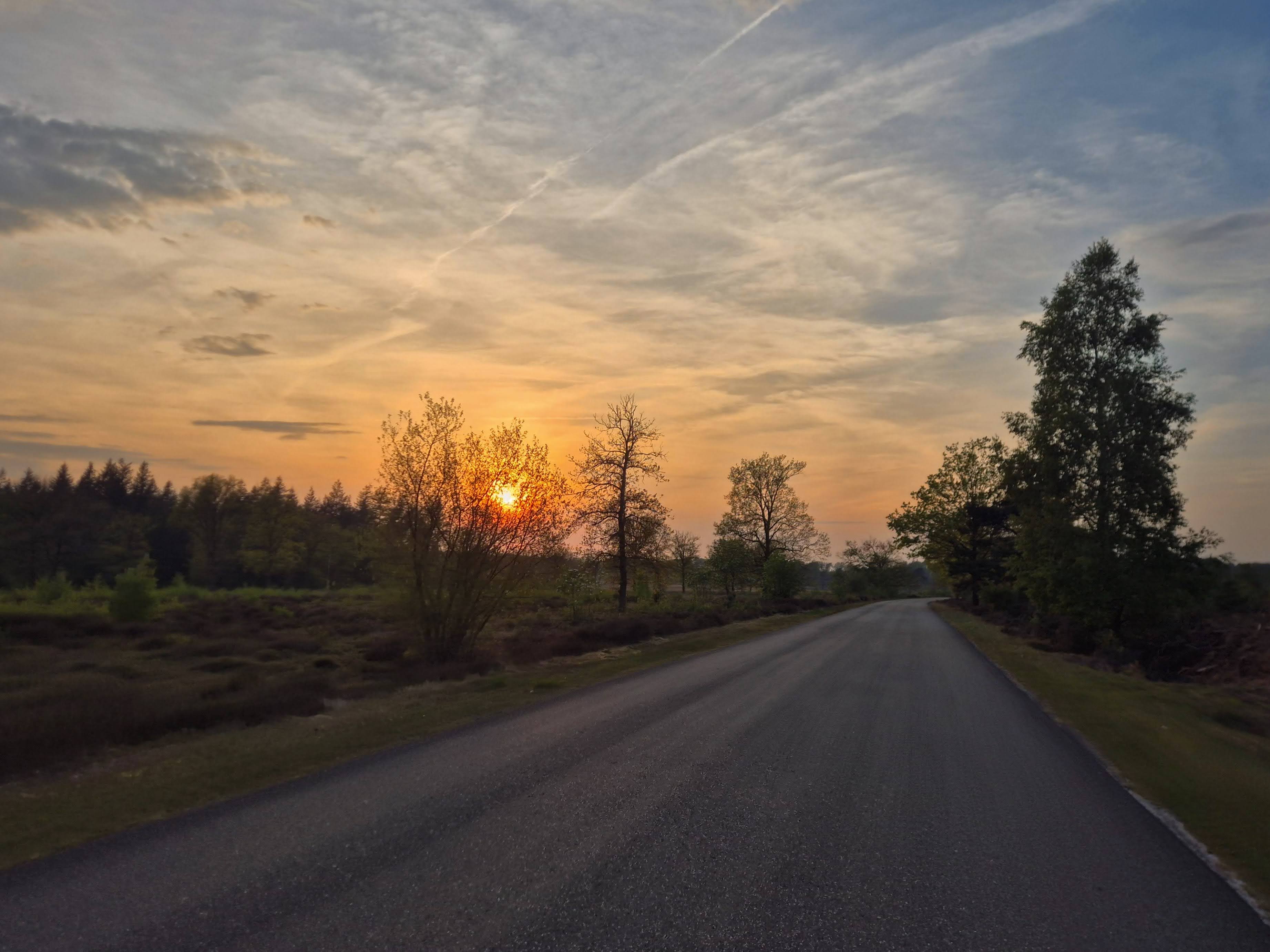 For this type of race — let’s call it mid-distance — the best sleep strategy as a rule is to ride through the first night without sleep. I was fairly convinced this would be difficult if not impossible though, since sleep quantity and quality had been suffering, with a long workday at the B&B and only six hours of sleep the day before the race. Sure enough this caught up with me and I used a bus shelter from my cue sheet for tooth-brushing and a half-hour nap, sitting in my down jacket so I wouldn’t freeze too much.
For the rest of the race I had planned three indoor sleep stops at hotels and B&Bs, with three sleep cycles (~4.5 hours) each night. This plan was kept almost perfectly and it added up to ~14 hours of sleep from Saturday morning’s start to Wednesday night’s finish. Almost comically, my body had settled into this and I couldn’t sleep more than three cycles the night after the finish either, so I got a nice walk and meditation around Amerongen before breakfast and Malin waking up. Lucky I wasn’t the car driver that day…
Weather
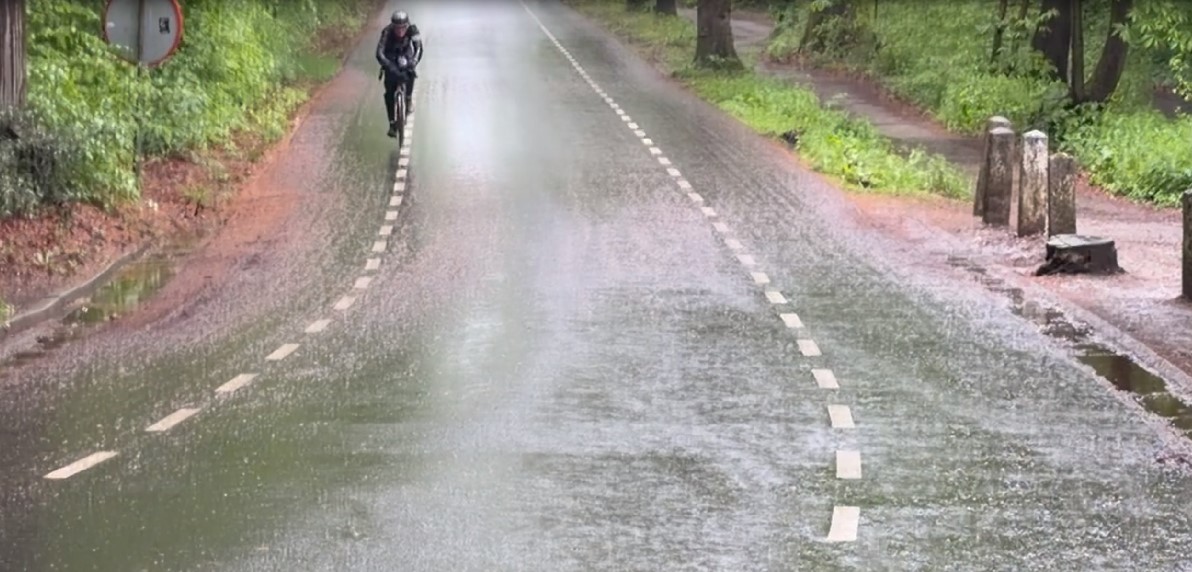 Saturday morning was chilly but very beautiful. During the day the temperature climbed to 28°C under a blazing sun and it almost felt like being back in warm races down south. This would change quickly, and the lion’s share of the race was cold and largely wet. The last day was very wet and the rain kit never came off. Twice a bone-dry chain got a generous round of Silca oil.
Electronics
 As mentioned the race was wet, but even a damp spring night is enough for Samsung’s S-phones to refuse to charge, which causes major problems during a race or adventure. I had another S-phone with me as backup, but had forgotten that both SIM cards are now e-SIMs. I have previously taped a SIM pin to the back of the backup phone. I have worked in software development and digitalisation my entire career, but physical solutions are sometimes superior.
Not even after the second night’s indoor sleep with the S24 wrapped in a dry duvet did it take a charge. I also managed to switch on TalkBack, so thank god for password-free wifi and the second phone — I eventually found a YouTube video that explained how to switch the misery off. Unusually little photography and music/podcast listening this time, since the phone was mostly in flight mode or completely off.
An electronics disaster rarely comes alone, so for the first time my Edge 1040 Solar packed it in with less than 120 km to the finish. After a few fruitless resurrection attempts I pulled out the backup, a fairly new Edge 1050. Believe it or not — with 5 km to the finish it caught some kind of endless-restart loop. Again, after too many attempts to sort it out, the 1040 came back out and thankfully could be brought back to life. The above is reflected in the “line” when you look at my route on Strava.
Last but not least I had, as usual, done my electrical consumption calculations — but in particular the new Lupine front light drew much more than I had counted on, so at four in the morning on the second day I was completely out of power from the power bank and taped the backup front light to the second aero bar.
Once home, I noted that one rear light no longer charges and that the USB port that was “moving around” during the race simply meant “I’m broken”. The tracker also wasn’t fully charged at the start, but took a charge without trouble.
A few lessons. Measure power consumption instead of calculating it. Use a bigger power bank than you think you need. Have wireless charging for the phones. Charge the tracker before the start. Always carry backups for critical electronics, whether or not the race rules require it.
The electronics trouble was by far the biggest irritation and unforeseen time sink of the race.
Bike
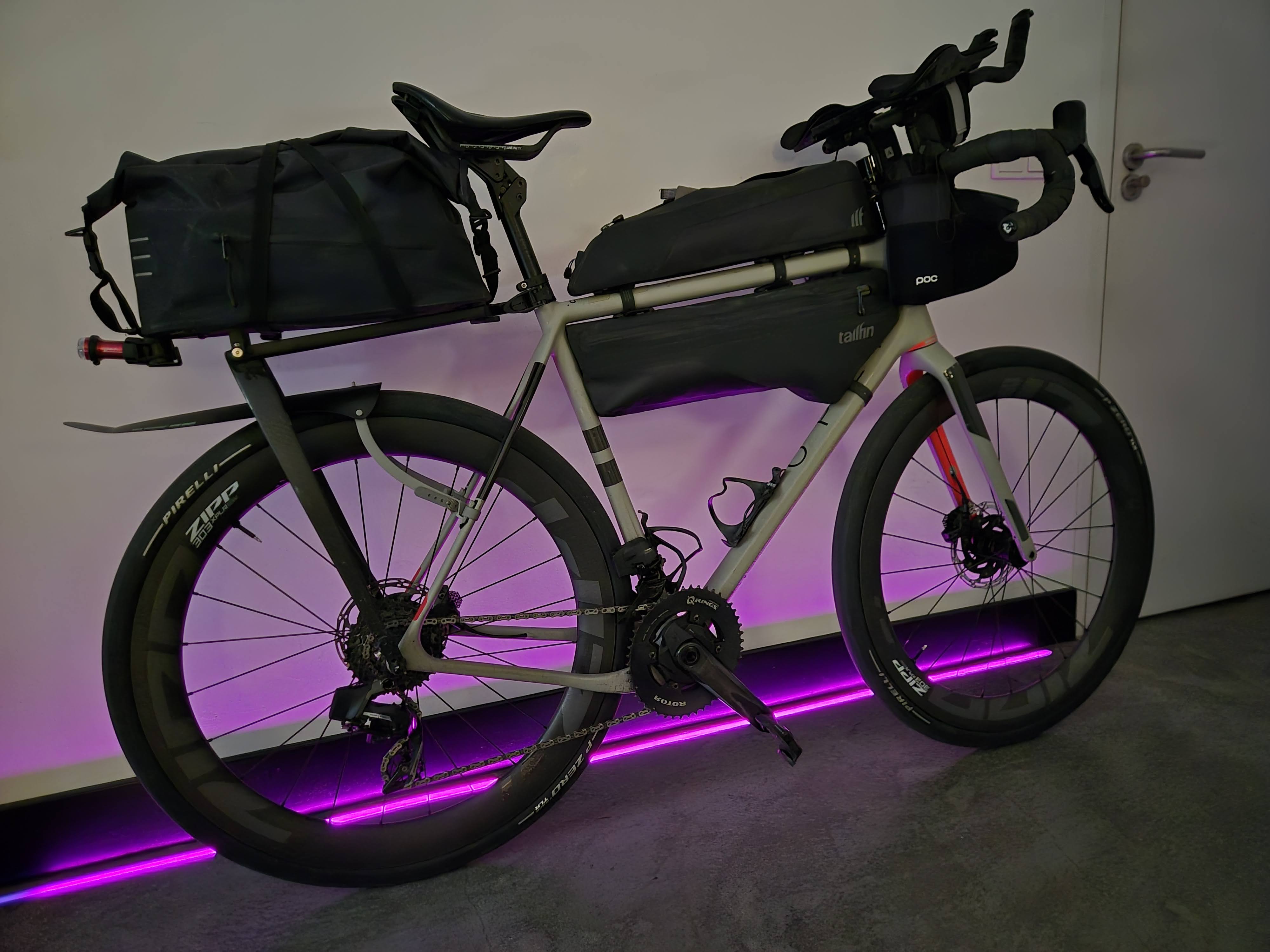 I built up an Open U.P. for maximum comfort ahead of RAP (Race Around Poland) 2023 and I chose to go for comfort rather than maximise speed at the cost of suffering and risking numbness/vibration injuries, Shermer’s neck and other nastiness. For comparison, many ambitious riders show up to these races on extreme aero race bikes and even TT rigs. I have ridden the longer Sverigetempot on my Cervélo S3, but that one also rolls on fast and comfortable tarmac. Since 2023, Zipp has released the super-wide Firecrest XPLR and Pirelli has released my trusted P Zero TLR in 40 mm. What a dream combo at low pressure! I also swapped out all the bags, apart from my beloved Tailfin bag/rack combo. Stem bag and feed pouches from POC, and Tailfin bags above and below the top tube. Worked much better than my previous Apidura and Cyclite setup. Despite the tough climbs around Limburg I went with my normal gearing, oval 48/35 Q-rings and a 33-10 cassette. On the steep side given the climbs come late in the race and it was bucketing down, but still worth it to ride proven kit and have nice tight steps for the rest of the race.
Clothing
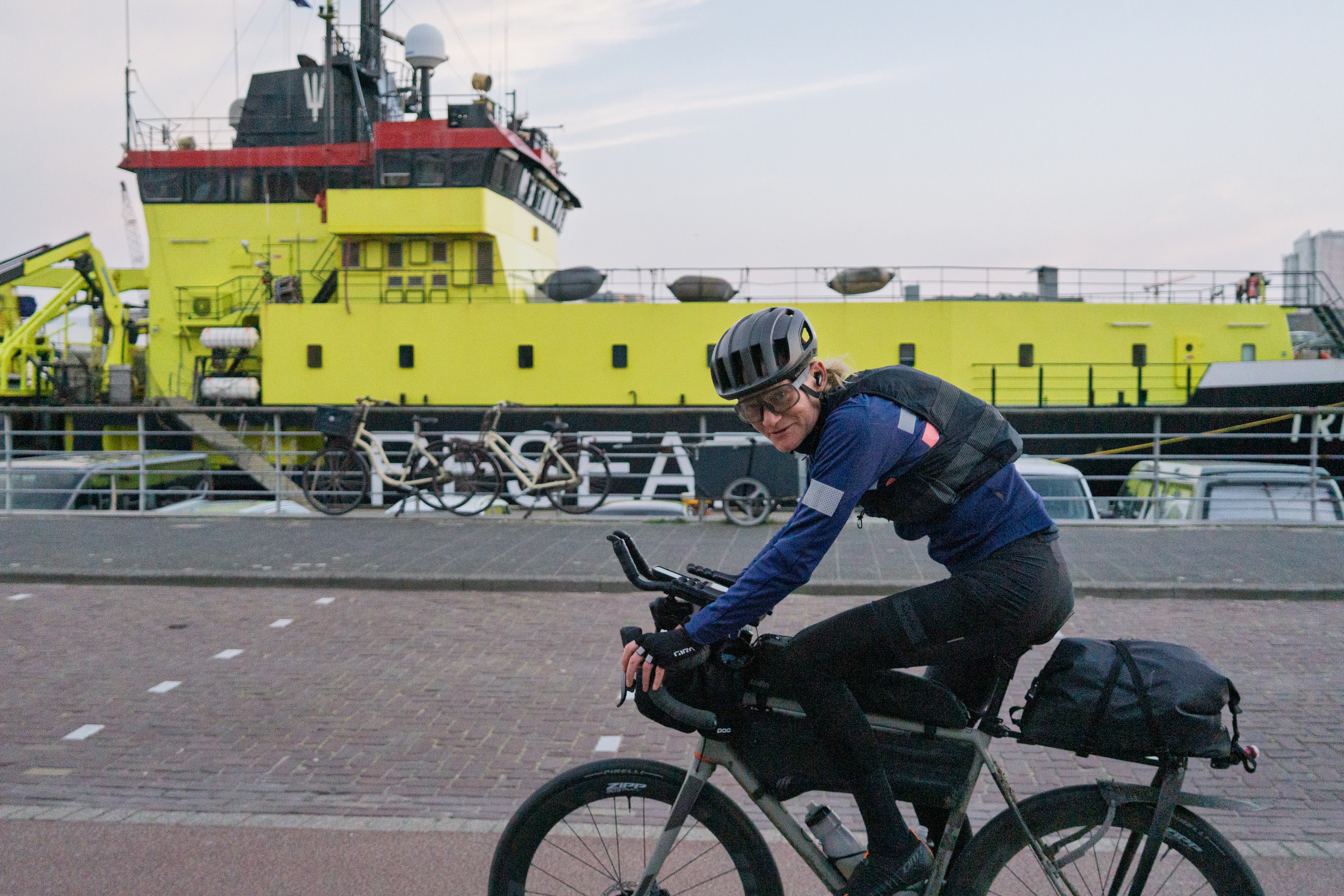 A merino t-shirt was chosen as a base layer because of smell and weather. Otherwise classic layer-on-layer tactics, including a final layer of Gore-Tex jacket and trousers that unfortunately saw a lot of use. The down jacket also came to the rescue at the short sleep stop. I have previously gotten severe contact-allergy rashes from the silicone that holds my merino arm warmers in place during chilly RADs. I have never had to wear the leg warmers long enough for it to become a problem there too, but this time I rode the lion’s share with them on and at the hotel outside Rotterdam I discovered really ugly, large rashes on my legs. The solution was to ride the rest of the race with them inside-out. Used everything I brought except the Windstopper shorts I usually carry for cold and dry night riding.
List: Rapha Cargo bibs, Gore Gore-Tex cycling cap, Rapha merino beanie, Rapha merino t-shirt, 2x Silca socks, Rapha merino leg warmers, Rapha shoe covers, GripGrab rain shoe covers, GripGrab rain gloves, Rapha Pro-Team arm screens, Rapha long brevet gloves, Giro short gloves, Rapha lightweight short brevet jersey, Rapha long brevet jersey, Rapha Gore-Tex Infinium long brevet jersey, Rapha Gore-Tex brevet rain jacket, Gore Gore-Tex rain trousers, Bookman reflective ankle bands (mandatory, as is plenty of reflective material on the bike and helmet) and, last but not least, the POC Cytal Carbon helmet with matching POC Aspire Photochromic. A new high-vis layer joined the kit too — Albion Visibility Cargo Vest.
The warmer the race, the bigger the problem with hot foot. When temperatures have gone above 40°C in Italy it has been unbearable, but even fast 600 km races around 30°C have been awful. That’s why I switched to riding in sandals under such conditions a few years ago, including at RAP and 1001 Miglia. I was expecting significantly lower temperatures in early May in the Netherlands though, which apart from the first day turned out to be correct, and my choice of Kéo and my super-comfortable DMT KR SL with the laces removed was the right call — also because they are “slippery”, which makes shoe covers easy to get on and off. A touch of added walkability too, since all the household’s Kéo cleats have been swapped to Vibram XS.
Nutrition Plan
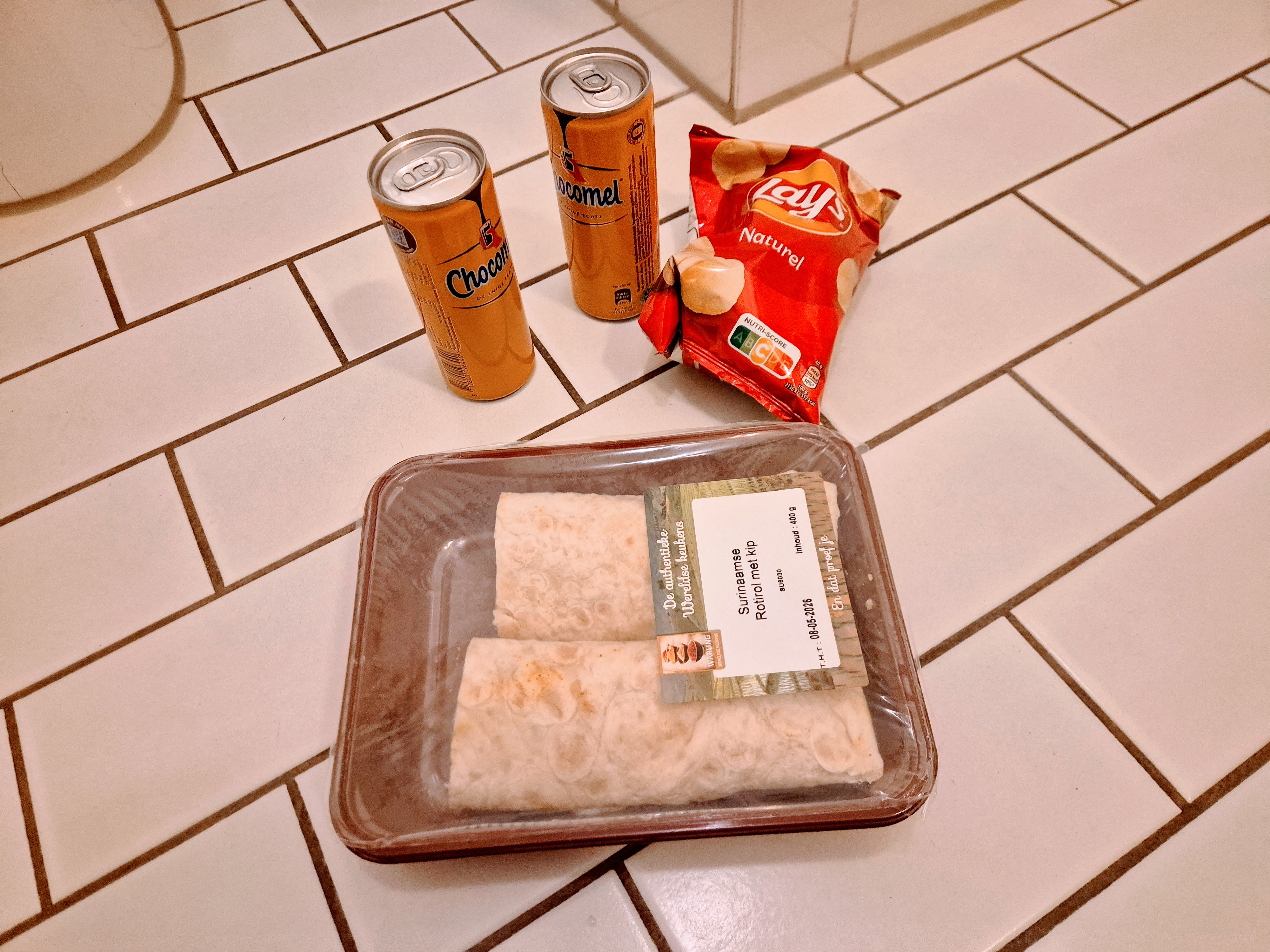
A flat race with all the climbing at the end and no bag drops is exactly the recipe for bringing as much energy as possible from the start. I had planned 60 Maurten 40 g gels and the same number of Sponser Coconut-Macadamia Liquid Energy Ultra since the former maxes carbs per unit of weight and the latter is a proven ultracycling energy source. Sponser, however, turned out to be very hard to get hold of, and the only place that could order it couldn’t deliver (but did try to keep my €400, which is a small story in itself). At the last minute I had to switch strategy and brought 80 Maurten and 12 Nutridrink Compact, planning to top up with plenty of chocolate milk, chocolate bars, Oreos and the occasional “real” meal — preferably around bedtime, both to keep me moving and for sleep quality and digestion. The plan held to the letter.
Sheep Shit
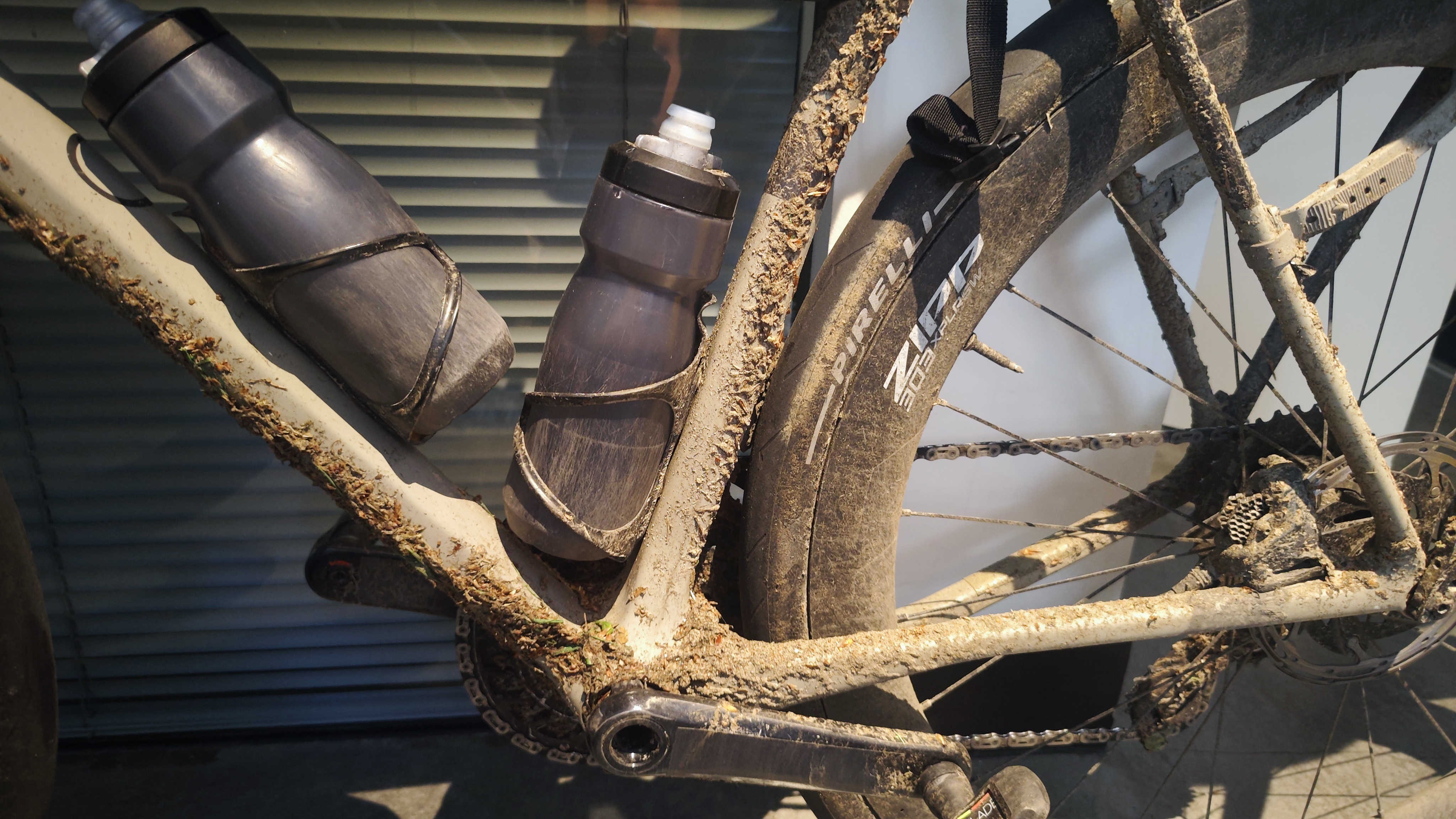
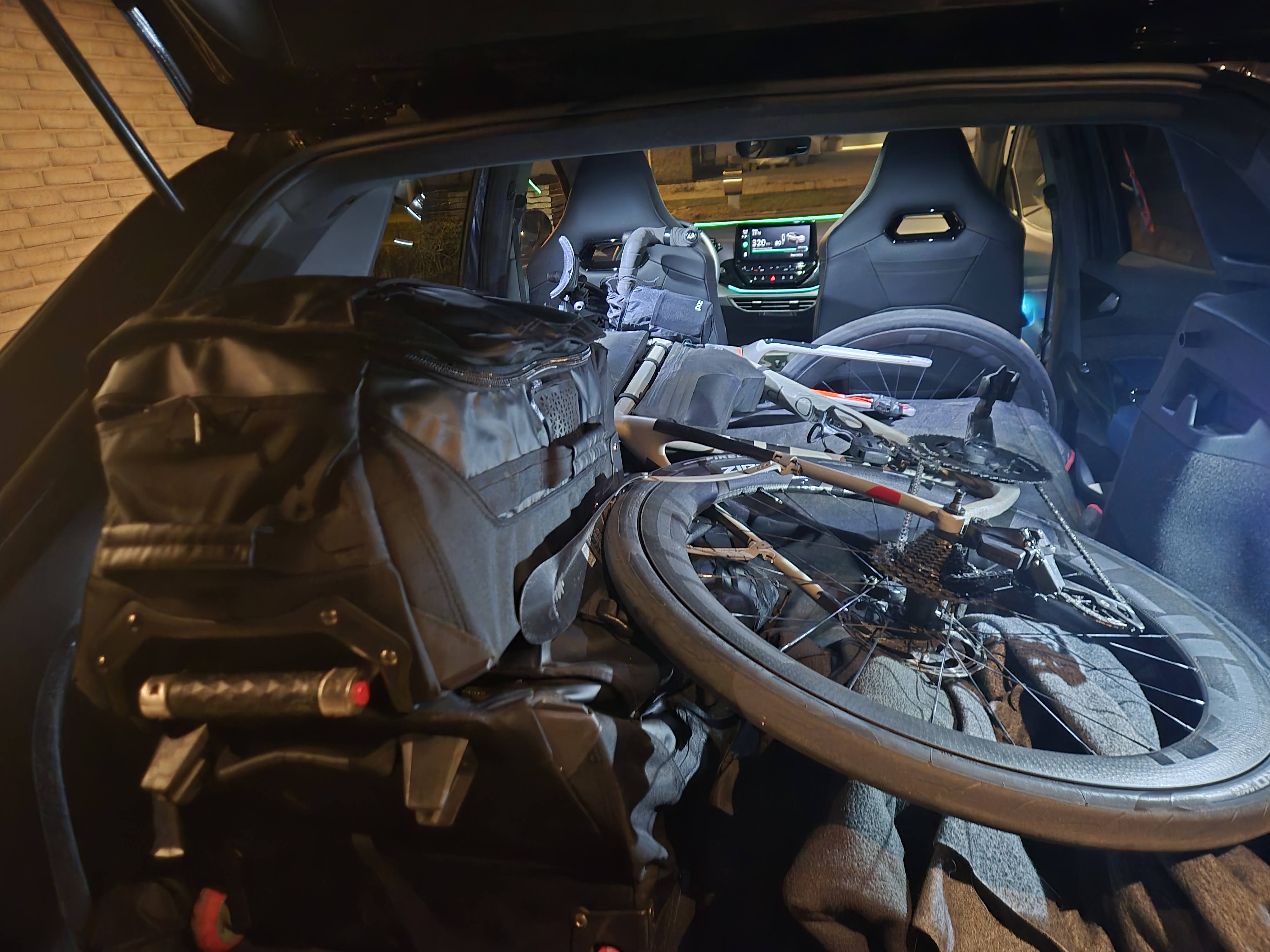
I had been warned about the sheep shit, but it exceeded my wildest nightmares. I thought it was over after 12 km of the goo and stopped to wipe shoes and legs clean — but there were maybe 100 km left… Luckily I had prepared by fitting a mudguard and removing my “tool box” that normally sits down by the bottom bracket. During the race I called my wife and asked her to buy plenty of cleaning supplies at Jumbo so we could have the bike in the car after the finish. Despite a thorough cleaning the car didn’t smell great in the summer sun that returned the day after the finish.
Stomach
I have been open about the fact that, like many other ultracycling practitioners, I struggle with the gastrointestinal side of things. Even though this race also had its challenges in that department and suddenly appearing porta-potties literally saved the day, it was one of my absolute best races in this regard.
Epilogue
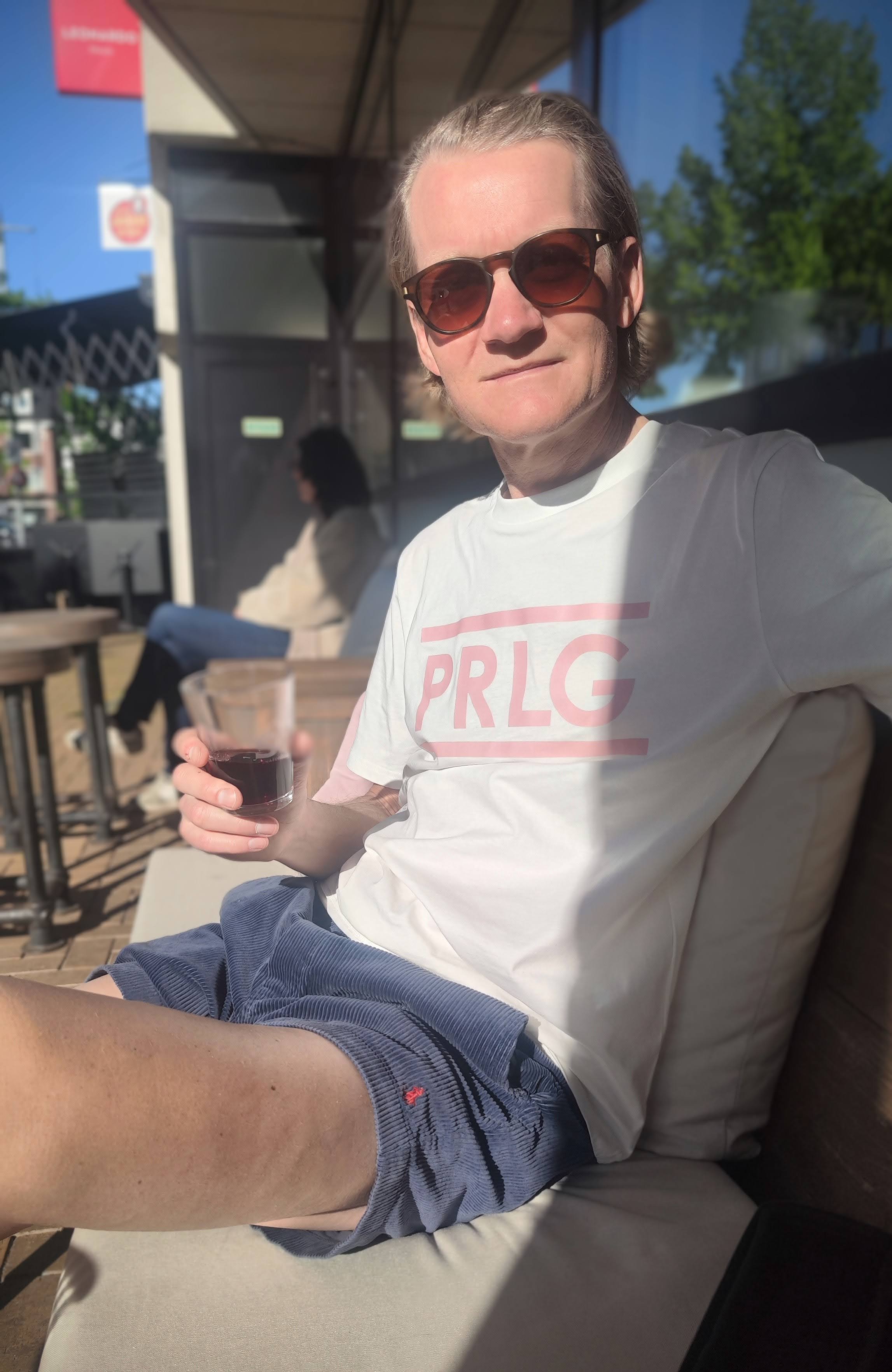
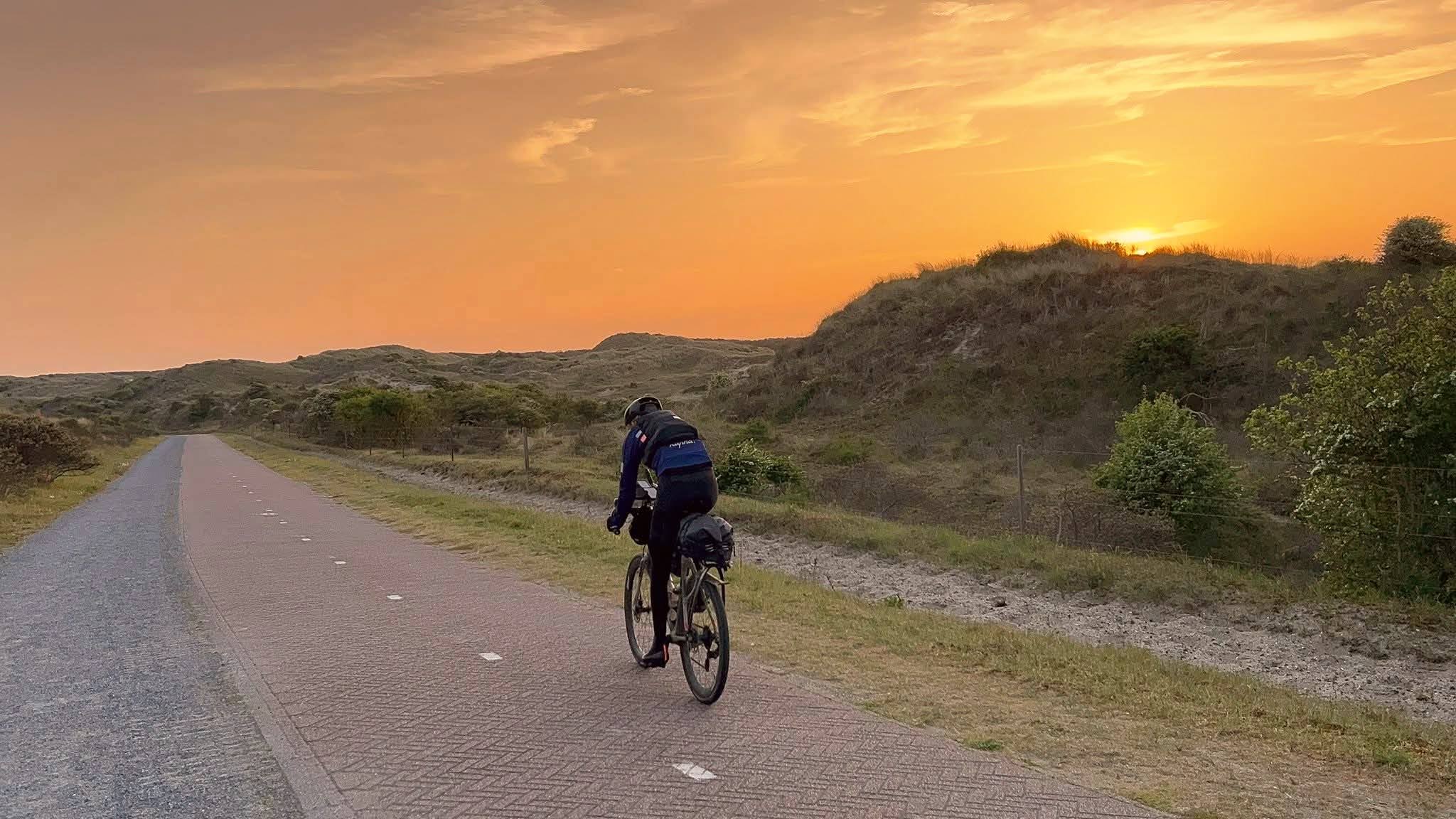
Incredibly positively surprised by how beautiful the country and the route were. At least 80% of the time you feel completely safe on cycle infrastructure. Many long stretches are pure cycling propaganda inside a physical postcard — national parks, sand dunes, dykes, towns small and large, locks, long along-the-water sections. My most enjoyable race to date despite cold, rain and not least generous quantities of sheep shit. I have to get back to De Proloog, Amerongen and RatN 2028! I’m also dreaming about ABR’s “big” race Around Norway as my main event in 2027.
Strava, otherwise it didn’t happen!